Experimental Models of
Down Syndrome
Down syndrome, the genetic condition caused by trisomy 21, affects nearly every organ and tissue system in the human body. Researchers are using experimental models of Down syndrome to gain mechanistic insights into the tissue-specific impacts of trisomy 21. This portal is designed to serve as a comprehensive resource for researchers with tools for exploring publications, phenotypes, datasets, and biospecimens derived from experimental models of Down syndrome.

Study Finder

Scientists, including those supported by the INCLUDE program, are utilizing experimental models of Down syndrome to generate important discoveries. Explore our collection of publications and datasets to find those most-relevant to your interests using curated search filters.
Genes, Proteins, & Metabolites
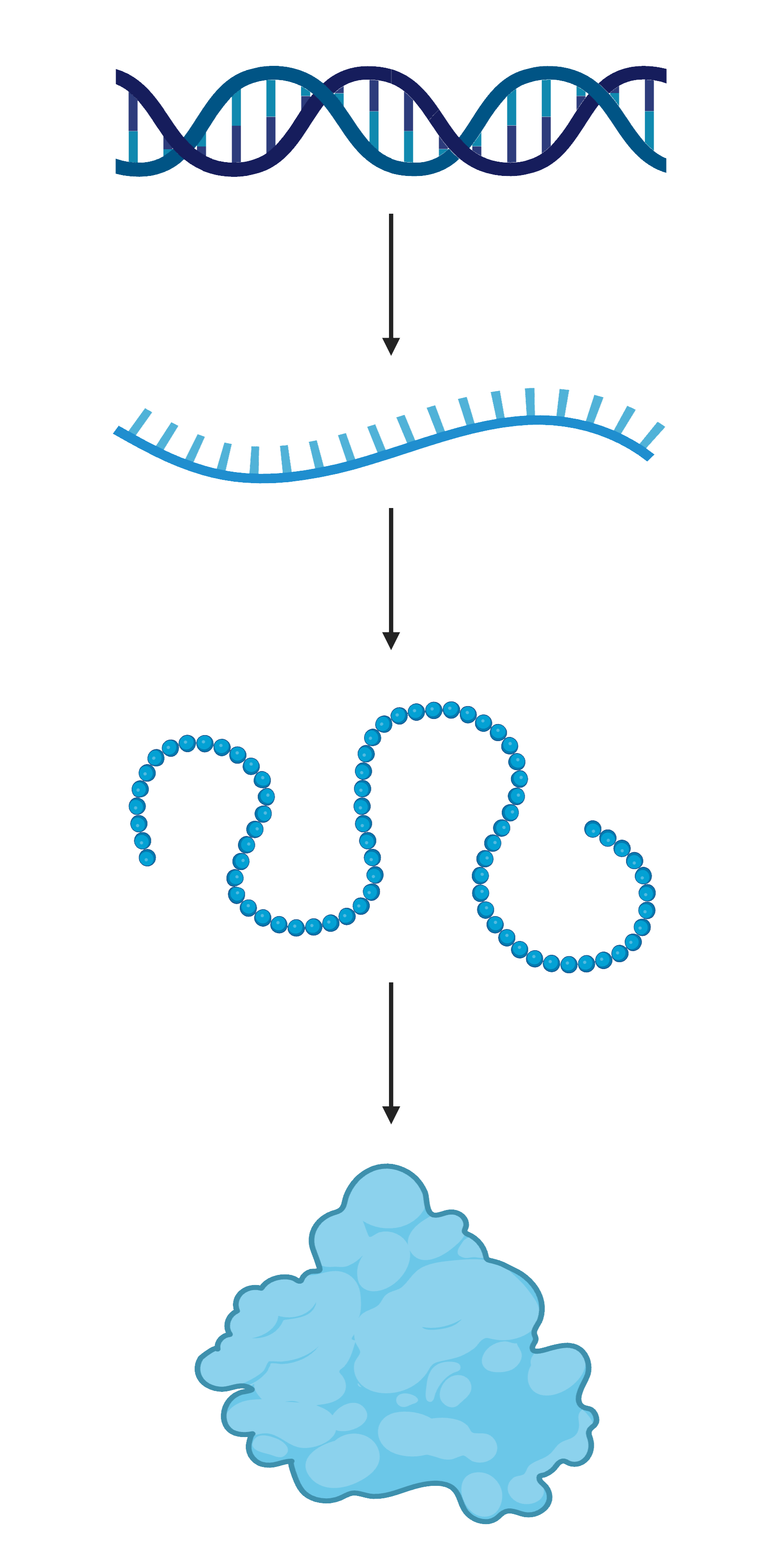
Explore and visualize the impact of Trisomy 21 on a gene, protein, or metabolite of interest across datasets from different experimental models of Down syndrome.
Tissues, Organs & Cell Type
Explore and visualize the impact of Trisomy 21 across tissues, organs, and cell types with data from studies employing different experimental models of Down syndrome.
Animal Models
Explore here the genetic, morphological, physiological, and behavioral traits for commonly used animal models of Down syndrome, with links to relevant publications and associated ontologies.
Cell Lines

Explore and request access to available collections of cell line models of Down syndrome, including induced pluripotent stem cells.
Virtual Biorepository
Explore and request access to available biospecimens from experimental models of Down syndrome. Search the catalog by experimental model, tissue type, sample type, age, and more.