Animal Models
Explore here the genetic, morphological, physiological, and behavioral traits for commonly used animal models of Down syndrome, with links to relevant publications and associated ontologies.
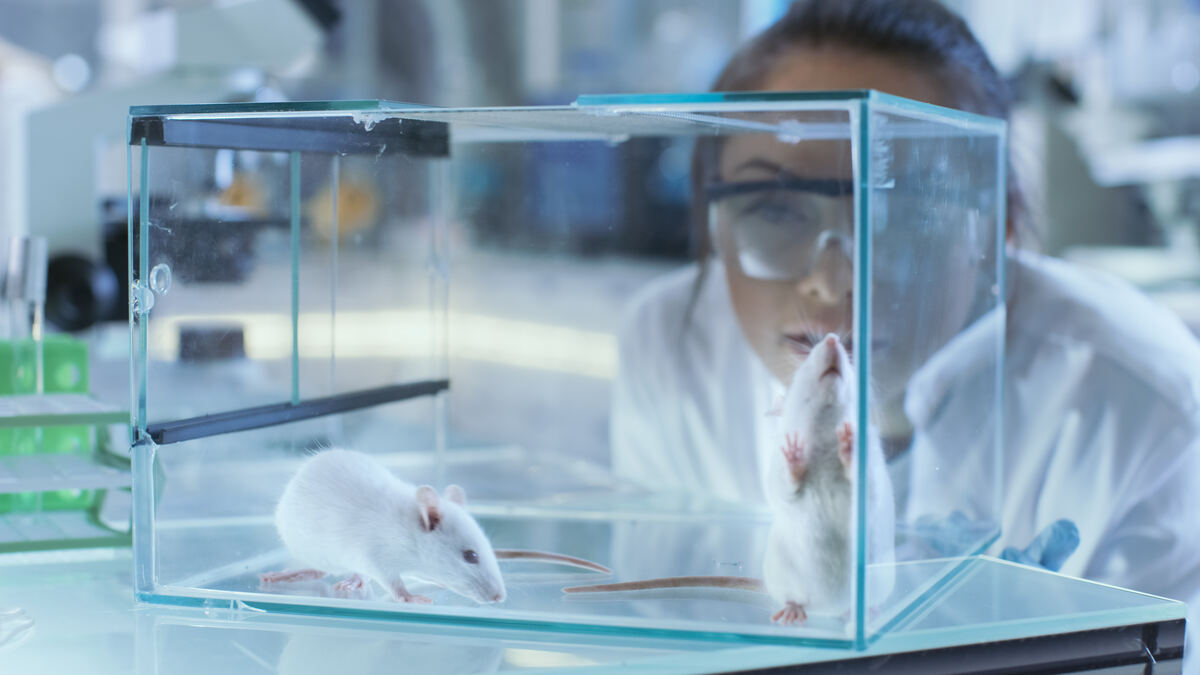
Rodent models of Down syndrome provide a unique tool to study the context-dependent impacts of trisomy 21 across different tissues and organs, contributing to the etiology of the various co-occurring conditions of Down syndrome. In mice, genes orthologous to those encoded on human chromosome 21 (HSA21) are split across murine chromosomes 10, 16, and 17 (Mmu10, 16 and 17), and several mouse models have been developed that recapitulate the effects of gene triplication on the pathophysiology of Down syndrome, to varying degrees. This tool enables users to find genes triplicated in these rodent models and to learn more about their function by navigating to related databases.
Gene Locus Explorer
Human Chromosome 21

Mouse Chromosomes
Model Phenotypes
Mouse models of Down syndrome harbor different groups of triplicated genes, resulting in differential presentation of phenotypes. Various mouse models of Down syndrome replicate different developmental and pathophysiological features of Down syndrome including; heart defects, neurodevelopmental delays, cognitive deficits, immune dysregulation, craniofacial abnormalities, and more.